What Makes Italian Food Authentic? A Guide to Ingredients, Traditions & Regional Flavours
Italian food is often described as simple, comforting and full of flavour. But what actually makes a dish authentic Italian food?
It isn’t just about pasta, pizza or the name of a dish. Authentic Italian cooking is closely connected to the ingredients, preparation methods, regional traditions and recipes passed down through generations.
For anyone who enjoys Italian cuisine, understanding these details makes the food even more meaningful. Behind many Italian dishes is a story about where the recipe came from, what ingredients were available locally and how families have prepared it over time.
What Does Authentic Italian Food Really Mean?
There isn’t one single definition of authentic Italian food.
Italy’s regional food culture means recipes can change considerably from one part of the country to another. A traditional dish from Sicily may look completely different from something associated with northern Italy, even though both are considered part of Italian cuisine.
Yet some principles appear again and again:
- Fresh, quality ingredients
- Simple preparation
- Traditional cooking methods
- Regional recipes
- Seasonal ingredients
- Respect for the original flavours
Authenticity is less about following one strict recipe and more about respecting the food’s origins and traditions.
This is also why Italian food can vary so much from one restaurant, family or region to another. There isn’t necessarily one “correct” version of every dish. Instead, traditional recipes often develop their own character depending on where they come from and who prepares them.
Why Ingredients Matter So Much in Italian Cuisine
One of the defining characteristics of traditional Italian food is the way simple ingredients are used.
Tomatoes, olive oil, garlic, herbs, cheese, vegetables, pasta and fresh seafood often form the foundation of Italian dishes.
The ingredients don’t need to be complicated. Instead, good-quality produce is allowed to speak for itself.
A ripe tomato, good olive oil and fresh herbs can create a dish with plenty of flavour without needing a long list of extras. That’s part of the beauty of Italian cooking.
Italian cuisine also places importance on using ingredients that complement each other rather than overwhelming the main flavour. A simple pasta dish, for example, can be memorable when the pasta, sauce, herbs and cheese are prepared and balanced properly.
In many traditional recipes, quality matters more than quantity.
Italian Food Is More Than Pasta and Pizza
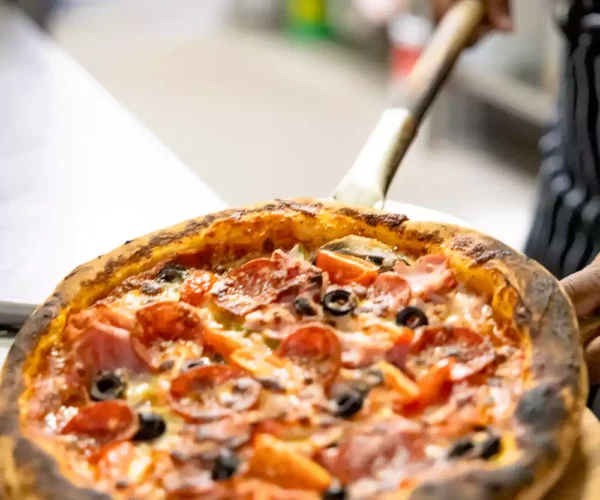
When people think of Italian cuisine, pasta and pizza are usually the first foods that come to mind.
They are certainly important, but Italian cuisine is much broader.
Different regions have their own specialities, cooking techniques and ingredients, including:
- Fresh vegetables
- Seafood
- Meat
- Rice
- Polenta
- Fresh and dried pasta
- Cheese
- Legumes
- Seasonal produce
There are also countless soups, breads, baked dishes, desserts and regional specialities that are an important part of Italian food culture.
This regional variety is one of the reasons Italian cuisine has become so loved worldwide.
It also means that exploring Italian food can be about much more than ordering the most familiar dishes. Looking at regional recipes and less familiar ingredients can give you a better understanding of the variety within Italian cooking.
Why Regional Traditions Are Important
Italy’s regions each have unique food traditions shaped by climate, agriculture, history and local produce.
Coastal areas naturally emphasise seafood, while inland regions may be known for cheeses, cured meats or vegetable-based dishes.
The climate also influences what ingredients are available and how they are traditionally prepared. Over generations, communities developed recipes around the produce that was readily available to them.
That’s why there isn’t one “authentic Italian dish.” There are many authentic Italian cuisines, each tied to a place and tradition.
This regional identity is one of the things that makes Italian cuisine so interesting. Learning where a dish comes from can tell you just as much about the food as learning the ingredients used to prepare it.
The Importance of Simple Cooking
Italian cooking often relies on a small number of ingredients prepared with care.
Whether it’s a slow-cooked sauce, fresh pasta, roasted vegetables or simply combining fresh produce with olive oil and herbs, the philosophy is the same: simplicity that lets flavours shine.
This doesn’t mean Italian cooking is always quick or effortless. Some traditional dishes require patience, particularly when sauces, meats or other ingredients need time to develop their flavour.
The difference is that the cooking process isn’t necessarily about adding more and more ingredients. Instead, it is often about understanding how to get the best from what you already have.
That balance between simplicity and care is an important part of traditional Italian cooking.
Why Fresh Pasta Is Different
Fresh pasta is central to Italian food culture.
Different pasta shapes aren’t just decorative they’re designed to complement specific sauces.
Some shapes hold thick sauces better, while others pair beautifully with lighter preparations. The texture of the pasta can also change the way a dish feels and how the sauce comes together.
Fresh pasta can also have a softer texture and a different character from dried pasta, depending on how it is made and prepared.
This relationship between pasta and sauce is one of the details that makes Italian cooking so distinctive.
Rather than treating pasta as simply a base for sauce, traditional Italian cooking often considers the pasta, sauce and other ingredients as parts of one complete dish.
The Role of Family Recipes
Food in Italy is deeply connected with family.
Many recipes are passed down through generations, often without being written. Families may prepare the “same” dish slightly differently, yet both versions are considered traditional.
Someone might learn a recipe by watching their parent or grandparent cook rather than following precise measurements from a cookbook.
Italian food isn’t about identical recipes it’s about preserving the connection between food, family and tradition.
This is also why food can carry so much personal meaning. A particular sauce, pasta dish or dessert may remind someone of their childhood, family gatherings or a particular region of Italy.
The recipe is only one part of the story.
Seasonal Ingredients Are Part of Italian Cooking
Traditional Italian cooking emphasises seasonal produce.
Vegetables, fruits, seafood and other ingredients naturally influence what appears on the table throughout the year.
This keeps food fresh and ensures dishes evolve with the seasons.
Using seasonal ingredients can also make simple dishes more interesting. When an ingredient is naturally at its best, it may not need much preparation to create a satisfying dish.
This approach reflects a broader Italian appreciation for fresh produce and straightforward cooking.
What Makes an Italian Dish Feel Authentic?
Authenticity comes from more than ingredients.
Consider:
- Where the recipe originated
- How the ingredients are prepared
- Whether traditional techniques are respected
- How the dish is served
- The regional traditions behind it
- Whether natural flavours are allowed to shine
Food evolves, but authenticity lies in maintaining the ideas and traditions behind the cuisine.
A modern interpretation of an Italian dish can still respect those traditions while introducing a different presentation or contemporary touch.
What matters is understanding what makes the original dish special rather than simply using an Italian name for something that has little connection to Italian cooking.
Traditional Italian Food in Perth
You don’t have to travel to Italy to enjoy Italian flavours.
Perth’s café scene embraces Italian cuisine, offering both traditional dishes and modern interpretations.
For people who enjoy Italian food, visiting an Italian café can be a chance to explore familiar favourites while also discovering different flavours, ingredients and styles of preparation.
At Il Sorriso Cafe Plus in Palmyra, Italian influences are combined with a broader café menu, giving diners the chance to enjoy familiar Italian flavours alongside contemporary breakfast and café options.
This balance can be particularly appealing if you’re dining with family or friends who have different preferences. You can enjoy Italian-inspired dishes while still having plenty of familiar café choices.
How to Recognise Good Italian Food
When choosing an Italian restaurant or café, look beyond menu length.
Ask yourself:
- Are quality ingredients clearly important?
- Does the menu show regional or traditional influences?
- Are dishes prepared with care?
- Is there a balance between classic recipes and modern interpretations?
- Do the ingredients shine?
Sometimes a shorter menu signals a focus on doing fewer dishes exceptionally well.
It can also be useful to look at how a restaurant talks about its food. If there is a clear connection between the dishes, ingredients and cooking style, it can give you a better understanding of what the kitchen is trying to achieve.
Ultimately, good Italian food doesn’t need to be complicated or overloaded with ingredients. The quality and balance of the dish should do most of the work.
Italian Food Is About More Than the Dish
Authentic Italian food isn’t just recipes it’s a culture.
It’s about sitting around a table, sharing food with family and friends, appreciating good ingredients and taking time to enjoy a meal.
Food often plays an important role in gatherings and celebrations, making the experience just as important as what is on the plate.
That combination of food and experience is what makes Italian cuisine beloved worldwide.
It also explains why Italian food continues to evolve while remaining connected to its roots. New generations and different countries may interpret Italian dishes in their own ways, but the underlying appreciation for good ingredients, tradition and sharing food remains.
Final Thoughts
Authentic Italian food doesn’t have to be complicated.
Some of the best-known dishes are built around simple ingredients, made special by the care taken, the traditions behind them and the regional culture that shaped them.
Whether it’s pasta, a traditional dish or a simple coffee and pastry, you’re experiencing a cuisine shaped by generations of food, family and tradition.
That is ultimately what makes Italian cuisine so special. It isn’t simply about following a recipe it is about understanding where the food comes from and appreciating the traditions that continue to influence how it is prepared today.
👉 Curious about authentic Italian food in Perth? Visit Il Sorriso Cafe Plus in Palmyra to enjoy Italian flavours alongside a modern café menu.